
The aviation industry is changing faster than ever before. New aircraft technologies, advanced software systems, sustainable fuel research, and increasing global competition are reshaping the aerospace sector.
In this rapidly evolving environment, businesses and individuals are searching for flexible and specialized solutions. This is where aeronautical engineers freelance services are making a major impact.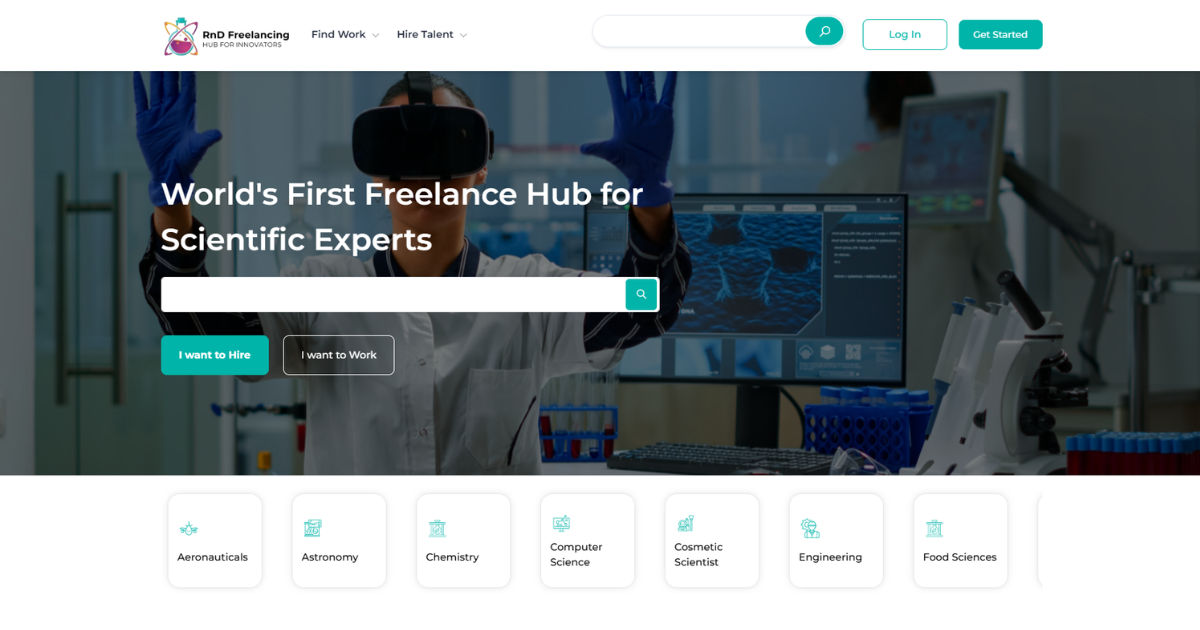
Today, companies no longer rely only on full-time engineering teams. Many organizations now hire experts on demand to complete technical projects, improve efficiency, reduce costs, and solve complex aviation problems.
The rise of remote work and digital collaboration has also increased the demand for aeronautical engineers freelance professionals across the globe.
From aircraft design and simulation to maintenance planning and aerospace consulting, freelance engineers are supporting startups, airlines, defense contractors, aviation students, and research organizations. Their skills provide flexibility and innovation that traditional hiring models often cannot match.
This comprehensive guide explains why freelance aeronautical engineering services are growing in popularity, how they benefit the aviation industry, what services are commonly offered, and how businesses and students can find the right professionals for their needs.
Aeronautical Engineering
Aeronautical engineering is a branch of aerospace engineering that focuses on aircraft operating within Earth’s atmosphere. It involves the design, testing, manufacturing, maintenance, and improvement of aircraft systems.
Aeronautical engineers work on:
- Aircraft structures
- Propulsion systems
- Aerodynamics
- Flight mechanics
- Avionics
- Safety systems
- Aircraft maintenance
- Fuel efficiency
- Performance optimization
Because the field is highly technical, organizations often require specialized expertise for different stages of a project. This growing need for flexible expertise is one reason why aeronautical engineers freelance services are in high demand.
The Growing Demand for Freelance Engineering Services
The global aerospace industry is expanding rapidly. Airlines are increasing their fleets, drone technology is growing, and governments are investing heavily in defense and aviation innovation.
At the same time, companies are trying to reduce operational costs while maintaining high-quality engineering standards. Hiring permanent employees for every project can be expensive and inefficient. As a result, businesses are turning to freelance experts for project-based support.
The rise of digital platforms has also made it easier to connect with qualified professionals worldwide. Companies can now hire experienced aeronautical engineers freelance experts for short-term or long-term projects without geographical limitations.
This trend is especially common in:
- Aircraft manufacturing
- UAV and drone development
- Aviation consulting
- Aerospace software development
- Research and development
- Aviation education
- Maintenance and repair planning
Why Companies Prefer Freelance Aeronautical Engineers
Cost-Effective Solutions
Hiring full-time engineers involves salaries, benefits, office space, training, and long-term commitments. Freelance engineers allow companies to pay only for the work they need.
Businesses can reduce costs by hiring aeronautical engineers freelance professionals for specific projects instead of maintaining large permanent teams.
This approach is especially useful for startups and small aerospace companies with limited budgets.
Access to Specialized Expertise
Some aerospace projects require highly specialized knowledge. A company may need help with aerodynamic simulations, structural analysis, or aircraft certification for a limited time.
Freelance engineers often have experience working across multiple industries and projects. This allows businesses to access advanced expertise quickly.
Faster Project Completion
Freelancers usually focus entirely on specific tasks or deliverables. Without the distractions of internal meetings or unrelated responsibilities, they can complete projects efficiently.
Many organizations hire aeronautical engineers freelance experts when deadlines are tight or workloads increase unexpectedly.
Flexibility
Freelance hiring provides flexibility for changing project needs. Companies can scale teams up or down depending on workload and budget.
This flexibility is especially valuable in industries where project demands constantly change.
Services Offered by Freelance Aeronautical Engineers
Freelance aeronautical engineers provide a wide range of technical and consulting services.
Aircraft Design
Aircraft design is one of the most common freelance services. Engineers help create designs for:
- Commercial aircraft
- Private jets
- Drones
- Military aircraft
- Experimental aircraft
Freelancers often assist with conceptual design, CAD modeling, structural layouts, and aerodynamic optimization.
Aerodynamic Analysis
Aerodynamics plays a major role in aircraft performance and fuel efficiency.
Many aeronautical engineers freelance specialists use advanced simulation software to analyze airflow, drag, lift, and stability.
These services help improve aircraft performance and reduce operational costs.
Structural Analysis
Aircraft structures must withstand extreme pressure and environmental conditions.
Freelance engineers perform stress analysis, fatigue testing, and material evaluations to ensure structural integrity and safety.
Flight Simulation
Simulation technology helps test aircraft behavior without physical prototypes.
Freelancers develop and analyze flight simulation models to improve aircraft safety and performance.
UAV and Drone Development
The drone industry is growing rapidly in agriculture, security, delivery services, and photography.
Many companies hire aeronautical engineers freelance experts to develop drone systems, optimize flight control, and improve payload efficiency.
Aircraft Maintenance Planning
Aircraft maintenance is critical for aviation safety.
Freelance engineers assist airlines and maintenance organizations with:
- Maintenance scheduling
- Inspection planning
- Reliability analysis
- Safety compliance
- Technical documentation
Research and Development
Research projects often require temporary engineering expertise.
Freelancers contribute to aerospace innovation by supporting experiments, data analysis, and prototype development.
Aviation Consulting
Some freelance engineers work as consultants, advising companies on technical operations, safety procedures, aircraft selection, and regulatory compliance.
Benefits for Startups and Small Businesses
Startups often face financial and technical challenges during product development.
Hiring full-time engineering teams can be difficult for emerging companies. Freelance professionals provide an affordable solution.
Lower Startup Costs
Instead of paying annual salaries, startups can hire aeronautical engineers freelance professionals only when needed.
This reduces financial pressure during early business stages.
Faster Innovation
Freelancers bring fresh ideas and diverse industry experience.
Their knowledge helps startups develop innovative products more quickly.
Global Talent Access
Small businesses can hire experts from around the world instead of relying only on local talent pools.
This improves the chances of finding highly specialized engineers.
Benefits for Students and Academic Projects
Freelance aeronautical engineering services are not limited to businesses. Students also benefit from expert assistance.
Academic Guidance
Engineering students often need help with:
- Final-year projects
- Aircraft models
- Simulations
- Research papers
- Technical presentations
Experienced freelancers provide guidance and mentoring.
Better Understanding of Complex Topics
Aeronautical engineering involves advanced mathematics and physics.
Many students hire aeronautical engineers freelance professionals for tutoring and project explanations.
Practical Industry Knowledge
Freelance experts often have real-world aerospace experience.
Students gain valuable industry insights beyond classroom learning.
The Role of Technology in Freelance Engineering
Technology has transformed the freelance engineering market.
Online collaboration tools now allow engineers to work remotely with global clients.
CAD and Simulation Software
Freelancers use advanced tools such as:
- CATIA
- SolidWorks
- ANSYS
- MATLAB
- AutoCAD
These tools enable accurate design and simulation work from remote locations.
Cloud Collaboration
Cloud-based systems allow teams to share files, track progress, and communicate efficiently.
This makes remote engineering projects more practical than ever before.
Online Freelance Platforms
Digital marketplaces connect companies with skilled aeronautical engineers freelance professionals worldwide.
Clients can review portfolios, ratings, and expertise before hiring.
Challenges Faced by Freelance Aeronautical Engineers
Although freelancing offers many advantages, it also comes with challenges.
Project Uncertainty
Freelancers may experience periods without consistent work.
Income stability can sometimes be unpredictable.
High Competition
The global freelance market is competitive.
Engineers must continuously improve their skills to stand out.
Communication Challenges
Remote projects may involve clients from different countries and time zones.
Clear communication is essential for successful collaboration.
Technical Responsibility
Aerospace engineering requires precision and safety compliance.
Freelancers must maintain high professional standards at all times.
Skills Required for Freelance Aeronautical Engineers
Successful freelance engineers need both technical and professional skills.
Technical Expertise
Strong engineering knowledge is essential.
Freelancers should understand:
- Aerodynamics
- Aircraft structures
- Flight mechanics
- Propulsion systems
- Simulation software
Communication Skills
Freelancers must explain technical concepts clearly to clients and team members.
Time Management
Meeting deadlines is critical in engineering projects.
Effective scheduling and organization improve project success.
Problem-Solving Ability
Aerospace projects often involve unexpected technical challenges.
Freelancers must think creatively and solve problems efficiently.
Continuous Learning
The aerospace industry constantly evolves.
Successful aeronautical engineers freelance professionals stay updated on new technologies and regulations.
Industries Hiring Freelance Aeronautical Engineers
Freelance aeronautical engineers work in many industries beyond traditional aviation.
Commercial Aviation
Airlines and aircraft manufacturers hire freelancers for maintenance planning, design improvements, and technical consulting.
Defense and Military
Defense organizations use freelance expertise for aircraft systems, UAVs, and research projects.
Space Technology
Some freelancers contribute to spacecraft and satellite-related projects.
Drone Industry
Drone startups frequently hire aeronautical engineers freelance experts for product development and testing.
Education and Training
Engineering institutions hire freelancers for tutoring, curriculum support, and technical workshops.
How to Hire the Right Freelance Aeronautical Engineer
Finding the right engineer requires careful evaluation.
Review Technical Experience
Clients should examine previous aerospace projects and technical skills.
Check Software Knowledge
Different projects require different software tools.
Employers should confirm software compatibility before hiring.
Evaluate Communication
Good communication improves project efficiency and reduces misunderstandings.
Ask for Portfolios
A strong portfolio demonstrates practical engineering experience.
Conduct Technical Interviews
Interviews help assess problem-solving abilities and engineering knowledge.
Future Trends in Freelance Aeronautical Engineering
The future of freelance engineering looks promising.
Growth of Remote Engineering
Remote collaboration technologies will continue expanding.
This will create more opportunities for aeronautical engineers freelance professionals worldwide.
Sustainable Aviation
The aviation industry is focusing on sustainability and green technologies.
Freelancers with expertise in electric aircraft and fuel efficiency will become increasingly valuable.
Artificial Intelligence and Automation
AI-driven systems are changing aircraft design and maintenance processes.
Engineers with AI and data analysis skills will have strong demand.
Expansion of Drone Applications
Drone usage is growing across industries.
Freelance engineers will play a key role in developing advanced UAV systems.
Why Freelance Engineering Is Reshaping Aviation
Freelance engineering is changing how aerospace companies operate.
Traditional employment models are no longer the only solution for technical projects.
Increased Innovation
Freelancers often work with multiple organizations, giving them exposure to diverse ideas and technologies.
This cross-industry experience encourages innovation.
Faster Access to Expertise
Companies can quickly hire specialists instead of spending months recruiting permanent employees.
Improved Global Collaboration
The aerospace industry is becoming more connected internationally.
Freelance professionals enable companies to access global expertise easily.
Better Resource Management
Organizations can allocate engineering resources more efficiently through project-based hiring.
This flexibility supports business growth and competitiveness.
Tips for Becoming a Successful Freelance Aeronautical Engineer
Many engineering professionals are interested in freelancing careers.
Build a Strong Portfolio
A portfolio should include:
- Aircraft designs
- Simulation results
- Technical reports
- Research projects
Develop Online Presence
Professional networking platforms help freelancers attract clients.
Learn Industry Software
Software expertise improves competitiveness in the freelance market.
Improve Communication Skills
Professional communication builds client trust and long-term relationships.
Stay Updated
The aerospace industry changes rapidly.
Successful aeronautical engineers freelance professionals continue learning throughout their careers.
The Importance of Trust and Quality
Aviation is a high-responsibility industry where safety is critical.
Freelance engineers must deliver accurate and reliable work.
Maintaining Professional Standards
Freelancers should follow aviation regulations and engineering ethics.
Building Long-Term Relationships
High-quality work often leads to repeat clients and referrals.
Delivering Reliable Results
Clients value engineers who consistently meet deadlines and technical expectations.
How Freelance Engineering Supports Innovation
Innovation drives the aerospace industry forward.
Freelance engineers contribute to innovation by offering fresh perspectives and specialized skills.
Supporting Experimental Projects
Startups and research groups often rely on freelancers for experimental aircraft concepts.
Encouraging New Ideas
Freelancers bring experience from different industries and projects.
This diversity supports creative problem-solving.
Accelerating Development
Project-based engineering teams can move quickly without large organizational delays.
Common Misconceptions About Freelance Engineers
Some people assume freelancers are less reliable than full-time employees.
However, many freelance engineers are highly experienced professionals with advanced industry backgrounds.
Misconception: Freelancers Lack Commitment
In reality, freelancers depend on reputation and client satisfaction for future work.
Misconception: Freelance Work Is Low Quality
Many aeronautical engineers freelance experts have years of aerospace experience and deliver high-level technical solutions.
Misconception: Remote Work Reduces Productivity
Modern communication tools allow effective remote collaboration and project management.
Conclusion
The aerospace industry is entering a new era of flexibility, innovation, and global collaboration. As aviation technology advances, organizations need faster access to specialized expertise without the financial burden of large permanent teams. This shift has created enormous opportunities for aeronautical engineers freelance professionals.
Freelance aeronautical engineers provide cost-effective, flexible, and highly specialized support for aircraft design, simulation, maintenance, drone development, consulting, and research. Their contributions are helping businesses innovate faster, reduce expenses, and adapt to changing market demands.
Students, startups, airlines, research institutions, and defense organizations all benefit from freelance engineering services. The rise of remote collaboration tools and digital platforms has made it easier than ever to connect with skilled aerospace professionals worldwide.
Despite challenges such as competition and project uncertainty, the future of freelance aeronautical engineering remains extremely promising. Sustainable aviation, artificial intelligence, drone technology, and advanced aircraft systems will continue increasing the demand for expert engineering talent.
As the aviation industry evolves, freelance engineers will play a critical role in shaping the future of aerospace innovation. Their expertise, flexibility, and global accessibility make them an essential part of modern aviation development.