
Façade detailing in architecture is one of the most important aspects of building design, as it defines how a structure looks, performs, and interacts with its environment.
In modern construction, materials like aluminum composite panels play a major role in shaping clean, durable, and visually appealing façades.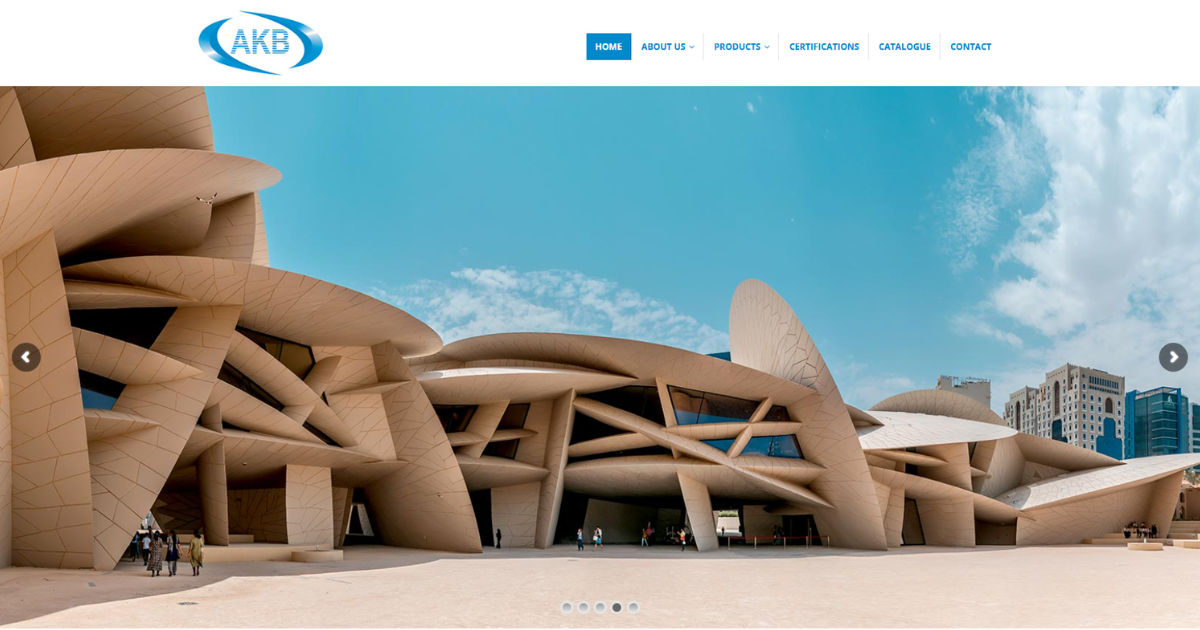
Understanding façade detailing helps students and beginners in architecture see how design decisions affect safety, energy efficiency, and aesthetics.
In simple terms, façade detailing is the process of carefully designing and connecting the outer skin of a building so that it performs well in real-world conditions.
Today, materials such as aluminum composite panels are widely used because they offer flexibility, strength, and modern appearance. Architects rely on precise detailing to ensure that façades remain weather-resistant and visually consistent over time.
In many commercial buildings, aluminum composite panels are chosen for their lightweight properties and ability to create smooth surfaces.
Without proper façade detailing, even the best materials like aluminum composite panels can fail to perform effectively. That is why engineers and architects spend significant time planning how aluminum composite panels and other materials will be installed.
Ultimately, façade detailing combines creativity and engineering, and aluminum composite panels are often at the center of this balance between beauty and performance.
What is Façade Detailing in Architecture
Façade detailing refers to the technical drawings and design decisions that define how the exterior of a building is constructed. It focuses on joints, connections, materials, and finishing elements that ensure durability and performance. When architects design façades using aluminum composite panels, they must consider how each panel connects to the structure beneath it.
In simple terms, façade detailing is like building a protective “skin” for a building. This skin must handle wind, rain, heat, and movement. Aluminum composite panels are often selected because they can be shaped easily and installed in different configurations. However, without proper detailing, even aluminum composite panels may develop gaps or alignment issues.
Another important part of façade detailing is ensuring thermal insulation and waterproofing. Architects carefully design how aluminum composite panels connect with insulation layers. This ensures energy efficiency and comfort inside the building.
Good façade detailing also improves maintenance. When aluminum composite panels are installed correctly, they can be replaced or repaired without damaging the entire structure. This makes them practical for long-term use in modern architecture.
Importance of Façade Detailing
Façade detailing is important because it affects both appearance and performance. A well-detailed façade ensures that the building remains strong and attractive for many years. In modern architecture, aluminum composite panels are widely used to achieve sleek and professional finishes.
One key importance is weather protection. Buildings face rain, heat, wind, and pollution. Proper detailing ensures that aluminum composite panels act as a protective barrier. Without correct joints and seals, aluminum composite panels could allow moisture to enter the structure.
Another importance is energy efficiency. Façade detailing helps control heat transfer. When combined with insulation systems, aluminum composite panels can reduce energy consumption in heating and cooling systems.
Aesthetic value is also a major reason façade detailing matters. Architects use aluminum composite panels to create modern, smooth, and geometric designs. These panels allow creative freedom while maintaining structure.
Finally, safety is critical. Poor detailing can lead to material failure. Proper installation of aluminum composite panels ensures stability and long-term safety for building users.
Key Components of Façade Detailing
Façade detailing includes several important components that work together to create a complete system. One key component is the structural frame, which supports the outer layer of aluminum composite panels.
Another component is the fixing system. This includes brackets and fasteners that hold aluminum composite panels in place. These fixings must be carefully designed to allow expansion and contraction.
Sealants and joints are also essential. They prevent water leakage and air infiltration between aluminum composite panels. Without proper sealing, the performance of the façade can be reduced.
Insulation layers are another critical component. These are placed behind aluminum composite panels to improve thermal performance. Proper coordination between insulation and panel installation is very important.
Finally, drainage systems are included in façade detailing. They ensure that water does not accumulate behind aluminum composite panels, preventing damage and moisture buildup.
Materials Used in Façade Detailing
Modern architecture uses a variety of materials in façade systems, but aluminum composite panels remain one of the most popular choices. These panels are made of two aluminum sheets bonded to a non-aluminum core, making them lightweight and strong.
One advantage of aluminum composite panels is their flexibility in design. They can be cut, bent, and shaped into different forms, allowing architects to create unique façades. Their smooth surface also provides a clean, modern appearance.
In addition to aluminum composite panels, glass, steel, and stone are also used in façade detailing. However, aluminum composite panels are often preferred for commercial buildings due to their cost-effectiveness and durability.
Weather resistance is another reason why aluminum composite panels are widely used. They perform well under different environmental conditions, including heat and humidity.
Because of their versatility, aluminum composite panels are used in offices, shopping malls, airports, and residential buildings.
Role of Aluminum Composite Panels in Façade Detailing
The role of aluminum composite panels in façade detailing is extremely important in modern architecture. These panels are not just decorative; they also provide structural benefits when properly installed.
Architects use aluminum composite panels to create smooth and continuous surfaces. This helps in achieving a modern architectural style. The panels can also be used in curved or angular designs, giving flexibility to designers.
One major role of aluminum composite panels is protecting the building from external weather conditions. When correctly detailed, they act as a shield against rain and wind.
Another role is improving insulation performance. Behind aluminum composite panels, insulation materials help maintain indoor temperature. This reduces energy costs and improves comfort.
Installation systems for aluminum composite panels are also designed to allow movement. Buildings expand and contract due to temperature changes, and properly detailed aluminum composite panels can adapt without damage.
Maintenance is easier when aluminum composite panels are used. Damaged panels can be replaced individually without affecting the entire façade system.
Because of all these advantages, aluminum composite panels have become a standard material in contemporary façade design.
Design Process of Façade Detailing
The design process of façade detailing involves careful planning and coordination. Architects begin by selecting materials like aluminum composite panels based on project requirements.
Next, they create detailed drawings that show how aluminum composite panels will be fixed to the structure. These drawings include measurements, joints, and support systems.
Engineers then analyze wind load, temperature changes, and structural movement. This ensures that aluminum composite panels will remain stable under different conditions.
Mock-up testing is also an important step. Small sections of aluminum composite panels are installed to test appearance and performance before full-scale installation.
Collaboration between architects, engineers, and contractors ensures that aluminum composite panels are installed correctly and safely.
Installation Process of Façade Systems
The installation of façade systems requires precision and skill. First, the structural frame is prepared to support aluminum composite panels.
Then, brackets and fixing systems are installed. These components hold aluminum composite panels securely in place while allowing movement.
Next, insulation layers are added behind aluminum composite panels. This improves thermal efficiency and comfort inside the building.
After that, aluminum composite panels are carefully mounted according to design drawings. Each panel must align perfectly to ensure a smooth surface.
Finally, sealants are applied to protect joints between aluminum composite panels. This prevents water leakage and air infiltration.
Sustainability in Façade Detailing
Sustainability is an important factor in modern architecture. Façade detailing helps reduce energy consumption and environmental impact. Aluminum composite panels contribute to sustainability by being lightweight and recyclable.
When combined with insulation systems, aluminum composite panels help reduce heating and cooling needs. This lowers energy usage in buildings.
Durability is another sustainability factor. Because aluminum composite panels last a long time, they reduce the need for frequent replacements.
Proper façade detailing also ensures minimal material waste. Efficient installation of aluminum composite panels reduces construction waste.
Common Challenges in Façade Detailing
One common challenge is ensuring proper alignment of aluminum composite panels. Even small errors can affect the appearance of the façade.
Another challenge is weatherproofing. If joints are not properly sealed, aluminum composite panels may allow water penetration.
Thermal expansion is also a concern. Aluminum composite panels expand and contract with temperature changes, so proper detailing is necessary.
Maintenance access can also be difficult. Designers must ensure that aluminum composite panels can be replaced easily when needed.
Future Trends in Façade Design
The future of façade design is moving toward smarter and more sustainable systems. Advanced versions of aluminum composite panels are being developed with improved insulation and durability.
Digital design tools are also improving façade detailing accuracy. This helps in better installation of aluminum composite panels.
Smart façades that respond to weather conditions are becoming more common. These systems may include advanced aluminum composite panels with adaptive features.
Conclusion
Façade detailing in architecture is a crucial process that ensures buildings are safe, functional, and visually appealing. It combines engineering precision with design creativity to create durable exterior systems. In modern construction, aluminum composite panels play a central role due to their strength, flexibility, and aesthetic value. Proper detailing ensures that aluminum composite panels perform well under environmental stress while maintaining a clean appearance. Without accurate planning, even high-quality aluminum composite panels may fail to deliver expected performance. Architects and engineers rely on aluminum composite panels to achieve modern, efficient, and sustainable building designs. From installation to maintenance, aluminum composite panels remain essential in façade systems. As technology advances, the use of aluminum composite panels will continue to grow in innovative ways. Ultimately, façade detailing ensures that aluminum composite panels and other materials work together to create long-lasting architectural solutions.