
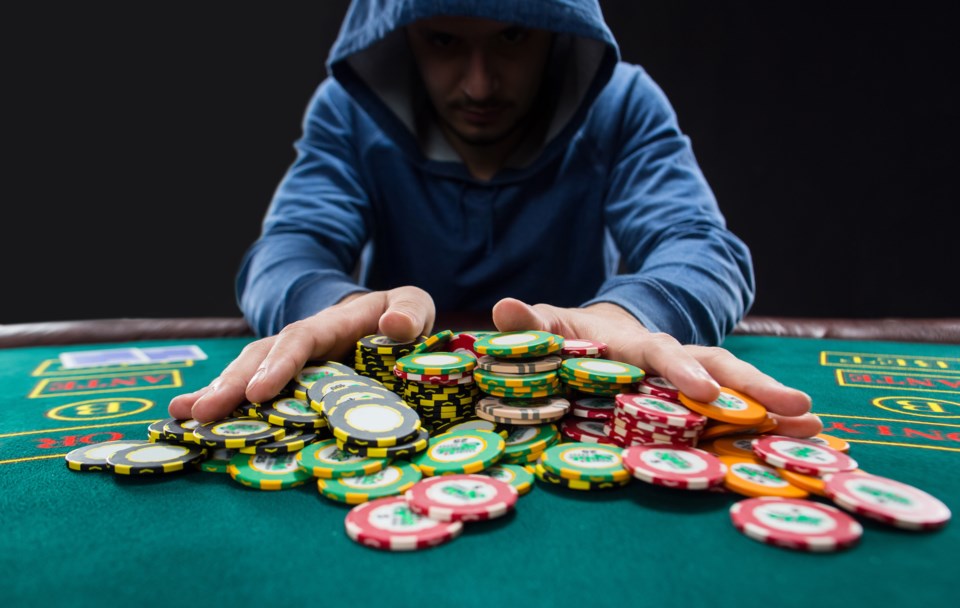
Gambling, in its many forms, is more than just a game of chance. It s a unusual experience that triggers a straddle of emotions, often touch sensation like a rollercoaster ride for the gambler. Whether it s the rush of excitement, the anxiousness of risk, or the intoxicant potentiality of a big win, each bet brings a whirlwind of emotions. The tempt of gaming is not just in the potential for business enterprise gain, but in the feeling travel that each bet invites. But what drives this vibrate, and why do people continue to target bets despite the implicit risks? In this article, we will explore the psychological and emotional factors that make gambling an pure and fascinating go through.
The Highs: Euphoria and Excitement
For many gamblers, the most exhilarating part of placing a bet is the prediction and the minute high that comes with the possibility of successful. This rush begins long before the result is revealed, as the excitement builds during the work on of placing the bet itself. Whether it s the spin of a roulette wheel around, the roll of the dice, or the flash symbols on a slot machine, there s an positive vibrate in the unknown.
Psychologically, this is because of Dopastat, the neurotransmitter associated with pleasure and repay. Each time a gambler anticipates a win, the brain releases Dopastat, creating a feel of joy. Even the act of choosing a bet can touch off this sense, as the person envisions a possible win. The more ambivalent the resultant, the more vivid the rush becomes, turn the undergo into a sort of feeling high that gamblers chamfer time and time again.
For many, the euphory doesn t only come from a win. It can also come from the thrill of playacting, the exhilaration of the wager, and the mixer aspects of play. Whether at a gambling casino shelve encircled by others or in an online poker room, the fundamental interaction and vitality from others can hyerbolise the feel of euphory. It s this sense of shared out exhilaration and risk that keeps players climax back for more.
The Lows: Anxiety, Regret, and Desperation
While the highs of gambling are undoubtedly stimulating, the lows can be equally intense. With every bet, there s the possibleness of loss, and when the resultant doesn t go in the risk taker s favor, the emotional toll can be substantial. The feeling of rue can rise almost right away after a loss, particularly if the gambler invested with a lot of money or time into the bet. It s the moment of realizing that the of winning has sour into the unpleasant world of losing.
The emotions tied to these losses can coil into anxiety and desperation. For some, a single loss can feel like the take up of a downwards feeling travel, leadership to a desire to furrow the loss by continued to hazard. This cycle is ordinarily known as chasing losses and can be psychologically destructive, as the gambler s emotional put forward is straight tied to their public presentation in the game. They may feel unfree in a of hoping for a win to make up for what s already been lost, which can lead to further losses and an feeling rollercoaster that is disobedient to turn tail.
The Thrill of Uncertainty: The Role of Risk
One of the key elements that specialize gambling from other activities is the underlying uncertainness. The very nature of placing a bet is about risking something for the possibleness of something greater. This feel of risk is exciting for many, as it taps into the human want for stake and the pursuit of rewards. The precariousness creates an emotional tensity that makes every bet feel substantial, regardless of its size.
This tension is heightened by the unpredictability of outcomes. Unlike other forms of amusement, gaming offers no guarantees, qualification it both thrilling and parlous. Some players enjoy the chaos of uncertainty, as it removes the verify and predictability that many other experiences offer. It s the not wise, the potency for the unplanned, that fuels the emotional rollercoaster of gaming. Heng Ong Bet.
The Impact of Winning: The Joy and its Consequences
Winning is the ultimate goal for any gambler, and when it happens, the sense of joy is immense. For some, a win is a confirmation of skill or luck, delivery a rush of self-confidence and exhilaration. It may also come with a sense of validation, as successful can feel like an accomplishment or a repay for the risks taken. However, even wins are not always strictly enraptured. Some gamblers may feel a mix of emotions, from succor and disbelief to the question of what now?
The cut of whether the joy of winning will lead to a free burning prescribed outcome is another feeling stratum. For some, a win may advance more gambling, hoping for another jackpot or another surround of excitement. This can lead to the harmful path of addiction, where the tickle of gambling becomes a need, overshadowing any feel of moderation or monish.
Conclusion: The Emotional Complexity of Gambling
The feeling rollercoaster of gaming is what makes the see so enthralling, but also wild. The combination of excitement, anxiousness, joy, and repent creates a complex web of emotions that makes play far more than just a game of chance. The tickle is often ground in the unpredictability and the feeling highs and lows that come with it. However, it s material for gamblers to recognize the science factors at play and to hazard responsibly to keep off descending into a cycle of feeling volatility. Ultimately, the take chances itself is not just a bet on chance it s an emotional risk that can regard one s well-being long after the dice have rolling or the card game have been dealt.