
If you are involved in home improvement, electrical work, or commercial installations, understanding low voltage wiring is essential.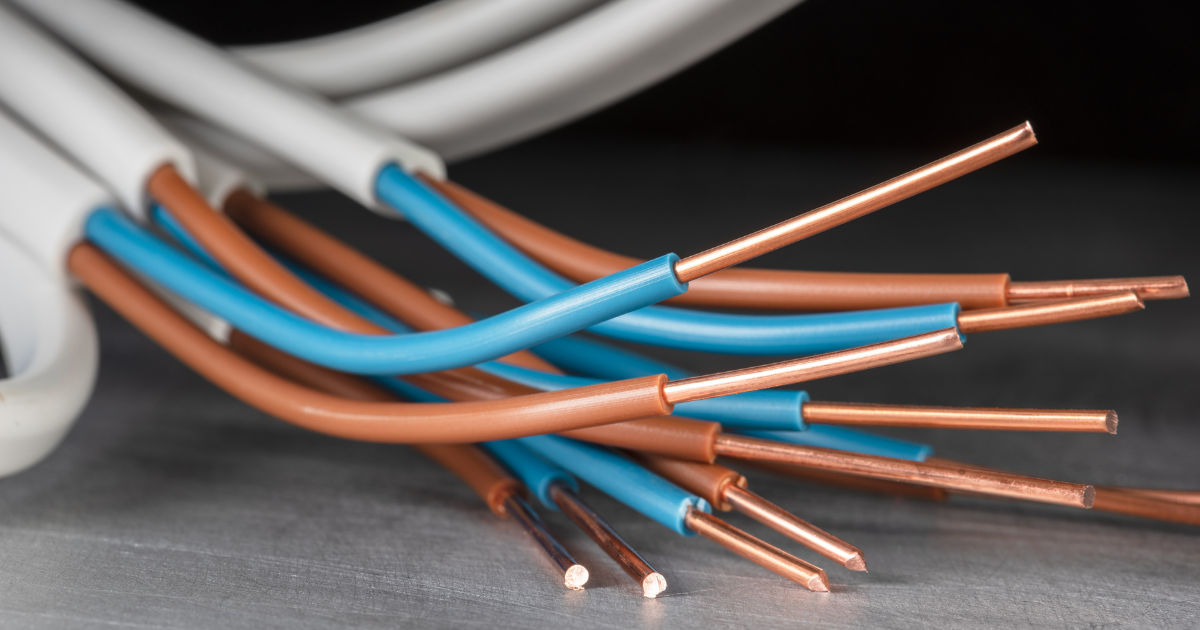
Many professionals and DIY enthusiasts rely on reliable suppliers for quality materials, and an AGE Cables Supplier is often the go-to choice for ensuring durable and safe wiring.
Low voltage wiring might seem simple at first glance, but there are several important factors that everyone should know to avoid risks and improve efficiency.
In this comprehensive guide, we will explore seven key facts about low voltage wiring that can help you make better decisions for both residential and commercial projects.
What is Low Voltage Wiring?
Low voltage wiring refers to electrical circuits that operate at 50 volts or less. Unlike high voltage wiring, which powers homes and commercial buildings, low voltage systems are primarily used for communication, security, and data transmission. Examples include:
-
Telephone lines
-
Alarm systems
-
Internet and network cables
-
Doorbells
-
Landscape lighting
Low voltage wiring is safer to handle compared to high voltage wiring, making it a preferred choice for many residential and commercial applications. However, using the right type of cable from a reliable AGE Cables Supplier is critical to ensure safety and efficiency.
Fact 1: Low Voltage Wiring is Safe but Requires Proper Handling
One of the biggest misconceptions about low voltage wiring is that it is completely risk-free. While low voltage systems carry less current than household wiring, improper installation can still lead to problems.
Low voltage wires can overheat if overloaded or improperly connected. They can also cause short circuits if exposed to moisture or damaged insulation. It’s important to follow proper wiring techniques, such as:
-
Using insulated connectors
-
Avoiding sharp bends in the wires
-
Keeping wires away from heat sources
-
Labeling cables for easy identification
A trusted AGE Cables Supplier will provide high-quality wires that meet safety standards, reducing the risk of accidents and ensuring a long-lasting installation.
Fact 2: There Are Different Types of Low Voltage Wires
Not all low voltage wires are the same. Choosing the right type of wire for your project is essential. Some common types include:
Twisted Pair Cables
These are used mainly for telephone and network lines. Twisting the wires reduces electromagnetic interference and helps maintain signal quality.
Coaxial Cables
Coaxial cables are widely used for cable television and CCTV systems. They provide excellent shielding against interference, making them ideal for long-distance transmission.
Fiber Optic Cables
Fiber optic cables are used for high-speed internet and communication networks. They transmit data as light, which allows for faster speeds and minimal signal loss over long distances.
Speaker and Audio Cables
These low voltage wires are used in home theater systems and audio installations to carry signals from amplifiers to speakers.
Selecting the right cable from a reliable AGE Cables Supplier ensures compatibility and longevity for your low voltage system.
Fact 3: Low Voltage Wiring Has Specific Color Codes
Color coding is vital in low voltage wiring to prevent confusion and ensure safety during installation and maintenance. Different colors often indicate specific functions:
-
Red and black: Positive and negative power wires
-
Green: Grounding
-
Blue or yellow: Data or signal lines
Adhering to these color standards reduces the chances of errors and improves troubleshooting. When sourcing cables from an AGE Cables Supplier, make sure they follow industry color codes.
Fact 4: Low Voltage Wiring Requires Proper Tools
Even though low voltage wiring is safer to work with than high voltage wiring, using the correct tools is essential for a successful installation. Some key tools include:
-
Wire strippers for removing insulation without damaging the conductor
-
Crimping tools for secure connections
-
Multimeter to test voltage and continuity
-
Fish tape for routing wires through walls or conduits
Having the right tools makes installation faster, safer, and more efficient. A good AGE Cables Supplier often provides recommendations on compatible tools for their cables.
Fact 5: Low Voltage Wiring Can Be Used for Smart Home Systems
With the rise of smart home technology, low voltage wiring has become more important than ever. Many smart devices, including:
-
Security cameras
-
Door locks
-
Smart lighting systems
-
Home automation hubs
…rely on low voltage wiring for power and communication. Installing low voltage wiring correctly from the start ensures that your smart home systems function reliably. Choosing quality cables from a trusted AGE Cables Supplier can reduce signal loss and interference, making your smart devices more efficient.
Fact 6: Distance Matters in Low Voltage Wiring
Low voltage systems have limitations on the distance they can transmit power or signals effectively. For example:
-
Telephone lines can transmit up to 5,000 feet without significant signal loss.
-
Cat5e network cables work effectively up to 328 feet for high-speed internet.
-
Coaxial cables can transmit signals over long distances but may require amplifiers for very long runs.
Understanding these limitations helps prevent performance issues. Using cables from a reputable AGE Cables Supplier ensures that the wires meet industry specifications and can handle the required distances.
Fact 7: Maintenance is Key to Longevity
Like any electrical system, low voltage wiring requires periodic inspection and maintenance. Some tips include:
-
Check for frayed or damaged wires
-
Ensure connectors are tight and corrosion-free
-
Avoid exposure to moisture and extreme temperatures
-
Replace old or worn cables promptly
Regular maintenance can prevent costly repairs and ensure consistent performance. Choosing quality cables from an AGE Cables Supplier reduces maintenance needs and extends the life of your wiring system.
Additional Considerations for Low Voltage Wiring
Planning Your Installation
Before starting any low voltage project, create a detailed plan that includes:
-
Cable routes
-
Power sources
-
Device locations
-
Future expansion possibilities
A well-thought-out plan reduces errors and makes installation smoother.
Compliance with Local Codes
Even though low voltage wiring is generally safer, it is still subject to electrical codes and regulations. Compliance ensures safety and legal conformity. A reliable AGE Cables Supplier usually provides products that meet local and international standards.
Budget and Quality
Investing in high-quality wires may cost more initially but saves money in the long run by reducing replacement costs and maintenance issues. Avoid cheap alternatives that may compromise safety or performance.
Environmental Factors
Low voltage wiring in outdoor environments needs extra protection against moisture, sunlight, and temperature fluctuations. Outdoor-rated cables from an AGE Cables Supplier are designed to withstand these conditions without degrading.
Common Applications of Low Voltage Wiring
Low voltage wiring has a wide range of applications in modern life. Some of the most common include:
Residential Applications
-
Home theater systems
-
Doorbells and intercoms
-
Security cameras
-
Landscape lighting
Commercial Applications
-
Office networking and communication systems
-
Alarm and access control systems
-
Point-of-sale systems
-
Building automation
Industrial Applications
-
Control circuits for machinery
-
Monitoring systems
-
Sensor networks
-
Low voltage lighting
In all these applications, choosing reliable cables from an AGE Cables Supplier ensures safety, efficiency, and long-term performance.
Choosing the Right AGE Cables Supplier
Selecting a reliable supplier is critical for any low voltage project. Here are some factors to consider:
-
Product quality: Ensure the supplier offers certified cables that meet industry standards.
-
Variety: A supplier with multiple cable options helps you choose the best type for your project.
-
Support: Look for a supplier that provides technical guidance and installation advice.
-
Reputation: Check reviews and ask for references to verify reliability.
Working with a reputable AGE Cables Supplier reduces the risk of defects, ensures compliance with safety codes, and improves the efficiency of your low voltage installations.
Conclusion
Low voltage wiring is an essential part of modern electrical and communication systems. From smart homes to commercial networks, understanding the basics can save time, money, and potential hazards. By knowing the seven key facts—its safety, types, color codes, tools, smart home applications, distance limitations, and maintenance needs—you can make informed decisions for any project.
Always prioritize quality and reliability by sourcing your materials from a trusted AGE Cables Supplier. Proper planning, installation, and maintenance are crucial for achieving long-lasting, safe, and efficient low voltage systems. Whether you are a homeowner, a DIY enthusiast, or a professional electrician, mastering these concepts will make your low voltage projects successful.
Investing in high-quality cables, adhering to proper standards, and planning carefully can make all the difference. Low voltage wiring may seem simple, but the details matter—and paying attention to these details ensures safety, efficiency, and peace of mind.